Hotel marketing automation: what it is and how it helps increase direct sales
Hotel marketing automation is no longer just about sending emails, but about activating guest data at every stage of the stay. In an environment shaped by dependence on intermediaries and the need for personalisation, connecting systems, segmenting audiences and automating communications becomes key to building loyalty, improving the experience and boosting direct sales.

Hotel marketing automation makes it possible to activate guest data in order to send more relevant communications before, during and after the stay. When properly connected to the PMS, CRM, WiFi, booking engine and other hotel systems, it helps improve the direct relationship with guests, build loyalty and reduce dependence on intermediaries.
For years, marketing automation has been understood as the automatic sending of emails. Today, it goes much further. For a hotel or hotel chain, automation means connecting data, channels and key moments throughout the stay in order to communicate better with each guest and simplify tasks that previously depended on manual processes.
What is hotel marketing automation?
Hotel marketing automation consists of using technology to send communications and activate marketing actions automatically based on each guest’s data, behaviour or stage of the travel journey.
For example, a hotel can automate:
- pre-arrival emails;
- welcome messages;
- communications during the stay;
- post-stay surveys;
- loyalty campaigns;
- personalised offers;
- recovery of guest data from OTAs;
- communications segmented by language, hotel, origin, profile or history.
The key is not just to automate, but to do so with reliable and connected data. Automation without a good database often ends up generating generic, less relevant messages that are difficult to measure.
Why it is no longer just about sending emails
Email remains an important channel, but the digital relationship between hotels and guests has expanded. Today, guests can interact with the hotel through the booking engine, WiFi, online check-in, WhatsApp, forms, surveys, campaigns, apps, online reputation tools or post-stay communications.
That is why a modern marketing automation strategy must take the entire guest cycle into account:
- Before the stay: inspiration, booking, upselling, online check-in.
- During the stay: welcome, services, incidents, experiences, direct communication.
- After the stay: survey, loyalty, campaigns and direct sales.
Google Cloud’s suite of services highlights precisely the importance of bringing together structured and unstructured data to build a more complete view of the guest and personalise the hotel experience more effectively.
What data does a hotel need to automate its marketing correctly?
For automation to be truly useful, the hotel needs to start from reliable, up-to-date and connected information. This information can come from different systems within the hotel ecosystem, such as:
- PMS
- booking engine
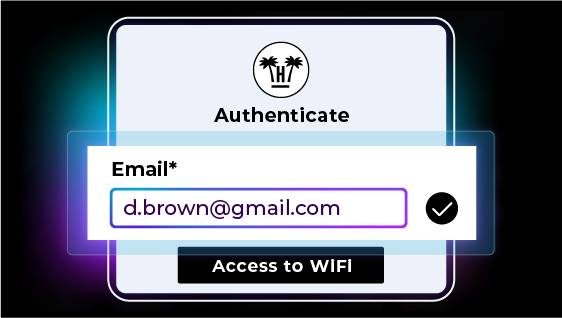
- captive WiFi portal
- hotel CRM
- online check-in forms
- email or WhatsApp communications
- loyalty programmes
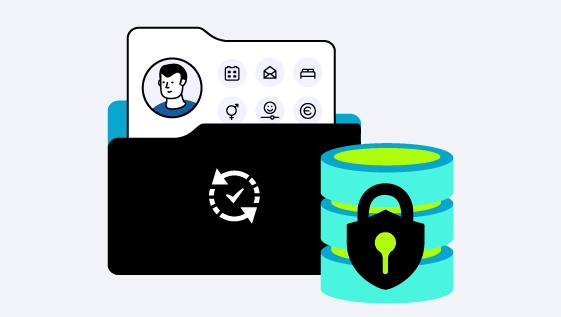
From these sources, the hotel can obtain and organise key data to personalise its communications, including:
- contact details of the main guest
- contact details of accompanying guests, when necessary and when consent has been given
- stay history
- guest preferences
- language
- country of origin
- customer segment: couple, family, corporate guest, repeat guest, etc.
This data makes it possible to create more relevant communications adapted to each moment of the stay. Communicating with a guest travelling as a couple is not the same as communicating with a family that returns every summer, a corporate client or someone who booked through an OTA and is not yet part of the hotel’s direct database.
Personalisation and experience remain key factors in the relationship between hotels and guests, but they only provide value when they are supported by data that is properly captured, organised and used with good judgement.
Examples of automation before, during and after the stay
A good hotel automation strategy should not be limited to a one-off campaign. It can accompany the guest at different moments.
Before arrival
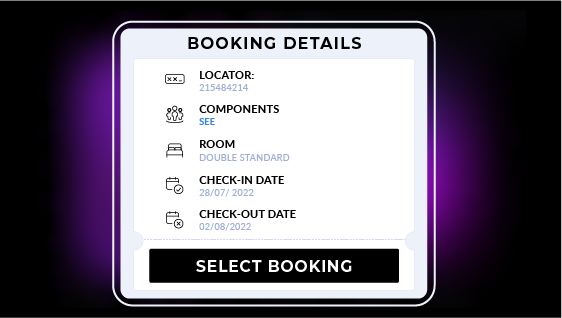
The hotel can send pre-arrival communications with useful information about the booking, available services, upgrades, experiences, opening times, transport, online check-in or stay preferences.
This moment is especially valuable because the guest has already booked but is still planning their trip.
During the stay
During the stay, automations can help improve the experience and reduce manual tasks. Examples include welcome messages, information about hotel services, restaurant, spa or activity bookings, quick surveys or operational communications.
Here, automation should be useful and non-intrusive. The goal is not to send more messages, but to send the right messages at the right time.
After the stay
After check-out, the hotel can activate satisfaction surveys, loyalty campaigns, personalised communications, offers for future stays or actions aimed at increasing direct bookings.
This phase is key to maintaining a relationship with the guest beyond the stay and reducing dependence on intermediary channels.
Advantages of hotel marketing automation
Automation delivers value when it helps the hotel work better and helps the guest receive more useful communications. Its main advantages include:
Better guest knowledge
It makes it possible to centralise and activate data that was previously spread across different systems.
Greater personalisation
It enables communications adapted to the guest’s language, profile, stage of the stay or history.
Time savings
It reduces manual tasks in marketing, front desk and guest service.
More direct sales
It helps maintain a hotel-owned relationship with the guest and activate campaigns without always depending on intermediaries.
Better measurement
It makes it possible to analyse which campaigns work, which segments respond best and which actions generate the most value.
Greater loyalty
It makes it easier to stay in touch with guests who already know the hotel or hotel chain.
Direct sales remain a priority for many hotel chains. The h2c study on direct booking analyses how chains are investing in technology, personalisation, loyalty and artificial intelligence to boost their direct channels.
How Hotelinking helps
Hotelinking helps hotel groups capture, enrich and activate guest data through a platform designed specifically for the hotel ecosystem.
Through GuestMaker, hotels can connect different data sources and communication channels to create a more direct relationship with guests. This makes it possible to automate campaigns, segment audiences, improve the experience during the stay and activate actions focused on loyalty and direct sales.
The difference is not only in sending automatic communications, but in connecting the systems involved in the relationship with the guest: PMS, WiFi, booking engine, CRM, communications, captive portal, online check-in, online reputation and other hotel systems.
Common mistakes when automating hotel marketing
Automation does not mean sending more messages. In fact, poor automation can generate the opposite effect to the one desired.
Some common mistakes include:
- automating without a clean database;
- sending the same message to every guest;
- not connecting the PMS with the CRM or communication tools;
- not differentiating between pre-stay, in-stay and post-stay;
- not measuring bookings, revenue or conversions;
- not reviewing communication consent and preferences;
- using overly commercial automations during the stay.
Automation must serve the experience. If it does not provide value to the guest or to the hotel team, it probably should not be activated.
Frequently asked questions about hotel marketing automation
- What is marketing automation for hotels?
It is the use of technology to automate communications and marketing actions based on guest data, the stage of the stay or guest behaviour. It can include, among other things, emails, WhatsApp, segmented campaigns, surveys, upselling, loyalty and post-stay communications.
- Is marketing automation only useful for sending emails?
No. Email is an important channel, but hotel automation can include CRM, captive WiFi portal, WhatsApp, online check-in, booking engine, online reputation and other points of contact.
- What does a hotel need to automate its marketing well?
It needs reliable data, integrations with its main systems, segmentation, proper consent and a clear strategy for each stage of the guest cycle.
- How does marketing automation help increase direct sales?
Marketing automation helps increase direct sales because it enables the hotel to build its own relationship with the guest, beyond the channel through which the booking was made. When the hotel captures and organises data properly, it can communicate with the guest before, during and after the stay with more relevant and personalised messages.
This makes it possible to recover data from customers who arrive through OTAs or other intermediaries, activate segmented campaigns, encourage repeat bookings and direct the guest towards the hotel’s or hotel chain’s own channels. The key is not only to send more communications, but to maintain a useful and ongoing relationship that increases the chances of future direct bookings.
Turn your guest data into direct bookings
Discover how Hotelinking can help you capture data, automate communications and activate personalised campaigns before, during and after the stay.