Hotel loyalty programme: the detail almost no one checks
Before thinking about improving your loyalty programme, it’s worth knowing where it actually comes from: the booking engine, the PMS, a standalone loyalty platform, or the CRM. We look at the differences, what a strong programme should include, and how GuestMaker Loyalty solves it.
 Tomeu FiolCMO de Hotelinking
Want to see more of Hotelinking’s content on Google?
Many hotels and chains already have, or have had, a loyalty programme. Yet they rarely stop to consider its real potential. The programme might come from a basic feature of the booking engine, a PMS function, a standalone loyalty platform bought separately, or be built into a CRM. Where it comes from matters more than it seems, because it determines the programme’s flexibility and capability, what happens if the hotel switches providers, and whether it actually helps you understand the guest or simply manages discounts for repeat customers.
On top of that, there’s an execution problem regardless of where the programme comes from: setting up a points system requires legal terms, accounting for the liability those points represent, redemption logic, a member portal, tier rules and constant maintenance. It’s no coincidence that many of the programmes launched by an independent hotel or chain quietly close within two years, because the operating cost ends up outweighing the lift in repeat bookings they generate.
Who’s actually building your loyalty programme?
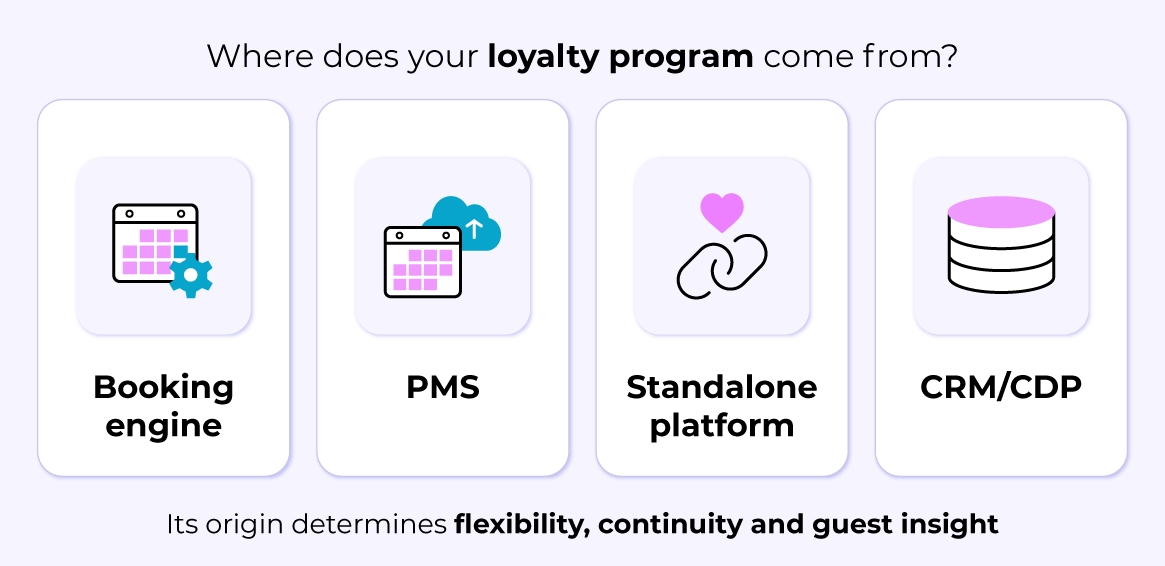
Not all loyalty programmes are built the same way, or from the same place. In practice, they tend to come from one of four sources:
- As a basic booking engine feature. Many direct booking engines include a built-in discount or code for repeat guests. It’s quick to switch on, but it’s usually limited to whatever that provider decides to offer, and if the hotel changes booking engine, it’s common to lose that history or have to renegotiate it with the new provider.
- As a PMS module. Some property management systems include basic loyalty tied to the booking record. Useful for small independent hotels, but with the same limitation: it’s locked to that specific provider.
- As a standalone loyalty platform. Tools dedicated purely to loyalty, which connect via API to whichever PMS and booking engine the hotel is using at the time. They offer more specialised functionality than the options above, but still depend on that integration existing and being maintained with each provider.
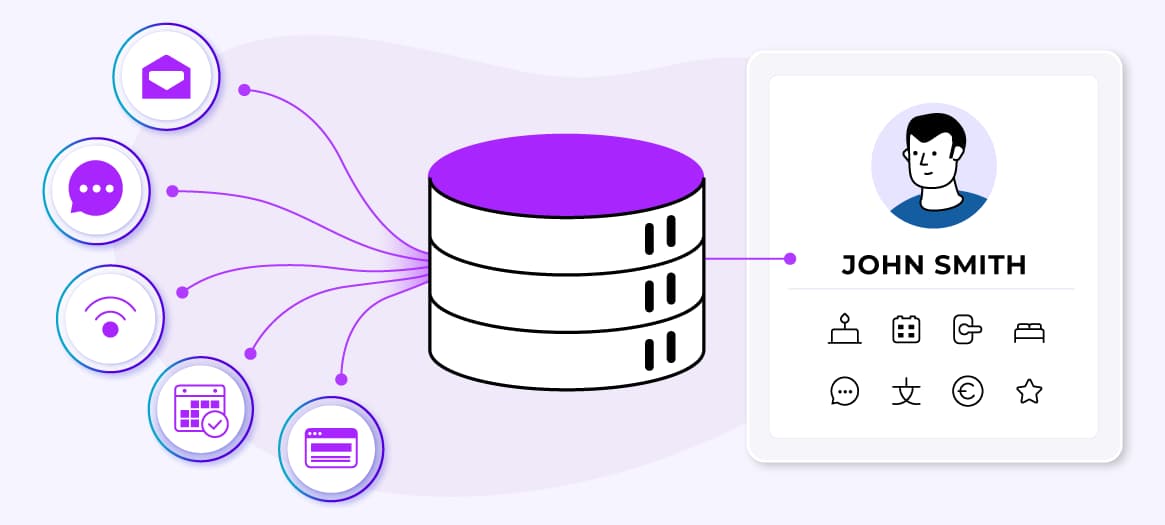
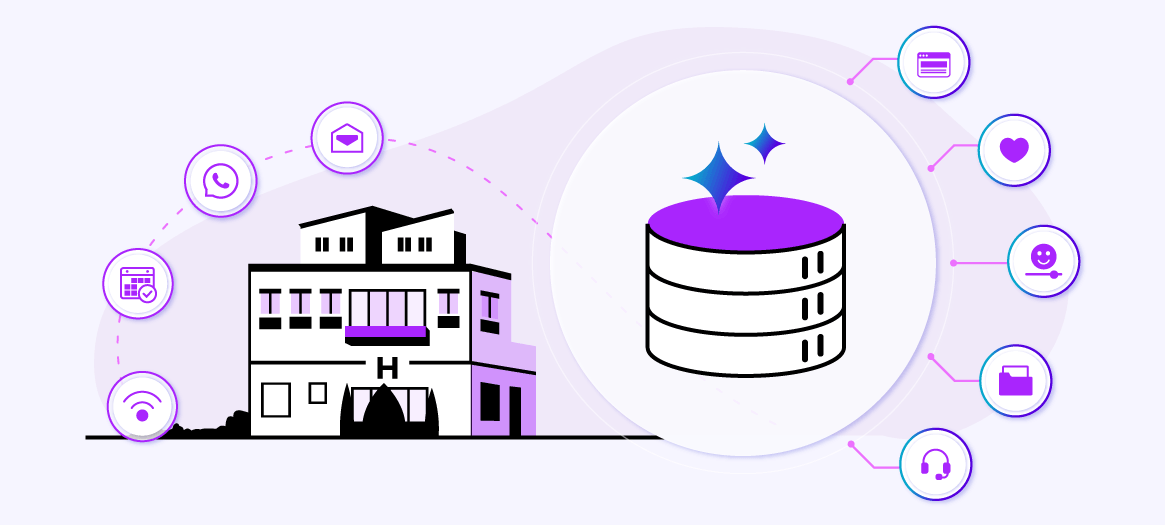
- As a CRM or CDP function. The programme lives within the same system that already holds all the guest’s information — bookings, communications, preferences, stay history — rather than being a separate module tied to any operational provider. This is the approach gaining the most ground, because it detaches loyalty from any future change of PMS or booking engine, and allows personalisation based on the guest’s full history, not just their bookings (HotelTechReport; MyVipGuest).
The real risk isn’t “depending on the booking engine” specifically: it’s the programme being tied to any operational provider (booking engine, PMS) instead of living in the hotel’s own data ecosystem. When that happens, a change of provider — which happens more often than anyone would like — can mean losing the programme guests knew, or rebuilding it from scratch.
Why it’s worth getting right
Loyalty, when it works, really works: membership of hotel loyalty programmes grew by 14.5% in 2024, and members of these programmes now account for 52.8% of rooms sold at hotels with an active programme (CBRE). In terms of profitability, these programmes generate on average 5.2 times more revenue than they cost to run.
But not all programmes are equal. The average guest may be enrolled in more than 15 different loyalty programmes, and engagement with them has dropped by 10% in recent years (Extole): simply signing up no longer builds loyalty on its own. Hotels that adopted at least two of the 2026 trends over the past year — instant recognition, AI personalisation, experiential rewards or paid membership models — report, on average, 23% more revenue attributable to their loyalty programme than the previous year (BookingWhizz). And paid membership models, when the value proposition is right, work: paid members book 2.3 times more often and have a 71% lower churn rate than free-tier members.
There’s also a simple economic argument for investing in this: retaining a guest costs 5 to 7 times less than acquiring a new one, and a booking that comes through a referral from another guest has close to zero acquisition cost, converts above 50%, and retains 37% better than other channels.
What a loyalty programme needs, wherever it comes from
Regardless of where the programme comes from, these are the elements that make the difference between one that’s sustainable and one that gets abandoned within two years:
- Tiers with clear rules. What conditions qualify for each tier, whether that status lasts a year or is reviewed, and what happens if the guest no longer meets the conditions (does the tier automatically downgrade?).
- A defined points economy. How many points are earned per euro spent, whether extra points are awarded by tier, whether points expire or not, whether points can be pooled by family, and what happens when specific milestones are reached (for example, an extra bonus on reaching a certain points threshold).
- Referral rules and one-off promotions. Extra points for both the person referring and the friend who signs up, plus the ability to run time-limited promotions without touching the standard programme’s rules.
- A member portal. Where the guest can see their benefits, their transaction history, and raise claims — not just receive an email with a discount.
- Cards on the phone. Letting the guest add their tier card to their phone’s wallet without relying on the hotel’s own app: in markets like the UK or Spain, most guests use Apple Wallet, though it’s worth supporting both ecosystems.
How GuestMaker Loyalty solves this
GuestMaker Loyalty starts from the premise that loyalty is a CRM function, not a module of the booking engine or the PMS. Here’s what it includes:
- Configurable tiers and conditions. You define what qualifies for each tier through your own rules and conditions, how long that status lasts (typically a year), and what happens if the guest no longer meets them: they can automatically drop a tier if they haven’t booked enough during that period.
- Bespoke benefits and points economy. Add whatever benefits you want per tier, decide whether the programme has points or not, define the economy (for example, 100 points per euro spent, with extra for higher tiers), whether points expire, and create family points pools. You can also reward specific milestones — for example, an extra bonus on reaching a certain points threshold — or recognise big spenders who haven’t moved up a tier, as a permanent benefit.
- Referral points. Both the person referring and the friend who signs up receive points.
- Promotions independent of the standard programme. Run time-limited promotional periods with a start and end date, without altering the base rules of the loyalty programme.
- Your own landing pages. Up to 7 visually editable templates, with the option to add photos and sections, automatic translation into the languages you need, and your own sign-up form and login.
- Branded communications. Customisable transactional emails, with your own verified domain and automatic replies in the guest’s language.
- Member portal. The guest can see their benefits, transaction history and claims from their own portal, and can scan their card directly into Apple Wallet (Google Wallet not currently available).
- Full CRM sync and analytics. Everything that happens in the loyalty programme is reflected in the guest’s CRM profile, with its own statistics dashboard.
- Import and mass segmentation. Import an existing database, generate segments based on the information available for each guest, and launch mass invitations to the programme, including assigning a higher tier directly where appropriate.
By living within the CRM, the programme benefits from everything the hotel already knows about the guest — bookings from every channel, WhatsApp conversations, stay history — and doesn’t depend on which booking engine or PMS is in use at any given time.