
 Marketing
5 key reasons to invest in a hotel CRM
CRM software is a crucial element that allows for effective communication and customer relationship management.
Read moreMarketingCRM software is a crucial element that allows for effective communication and customer relationship management.
Read more Interviews
Nacho Jacobo has been an entrepreneur and partner in several Balearic technology and marketing companies for more than 20 years.
Read more Guestmaker
Today, whether your hotel or chain manages its online presence or not, your customers, and even your most loyal followers, will talk about your products or services in some places on the network.
Read more Marketing
For hotels, it is now more important than ever for each of the actions and processes involved in the purchase cycle of their consumers to be verified, manageable and optimisable.
Read more Updates
Hotelinking is now integrated with Avalon, one of the most innovative and popular hotel management systems in the market.
Read more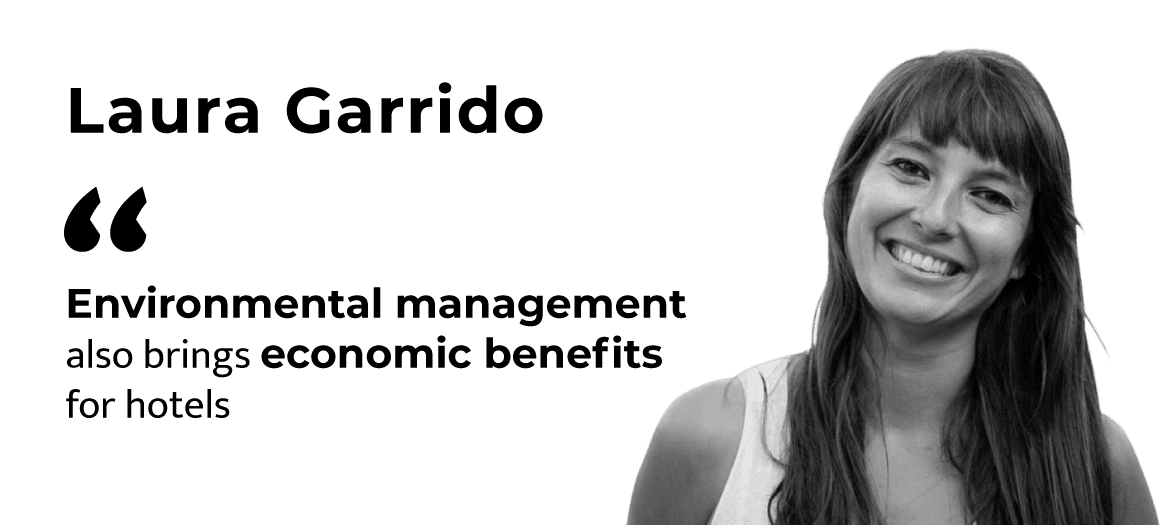 Interviews
With more than ten years’ experience in the travel industry, Laura has always remained in contact with the hotel sector with a view to boosting their sales.
Read more
