Hotel Automation: Benefits, Examples and AI Technology in 2026
Discover how hotels cut manual work by 80%, eliminate guest data errors and grow direct bookings through automation and AI. Updated guide for hotel groups — 2026.
 Tomeu FiolCMO de Hotelinking
Want to see more of Hotelinking’s content on Google?
Automating hotel processes reduces manual front desk work by up to 80%, builds a guest database that grows automatically with every stay, and activates personalised marketing campaigns without human intervention. Hotel groups that have implemented full automation report an average 40% increase in guest satisfaction scores — not despite reducing manual involvement, but because it frees staff to focus on what genuinely matters: the guest experience.
What Is Hotel Automation?
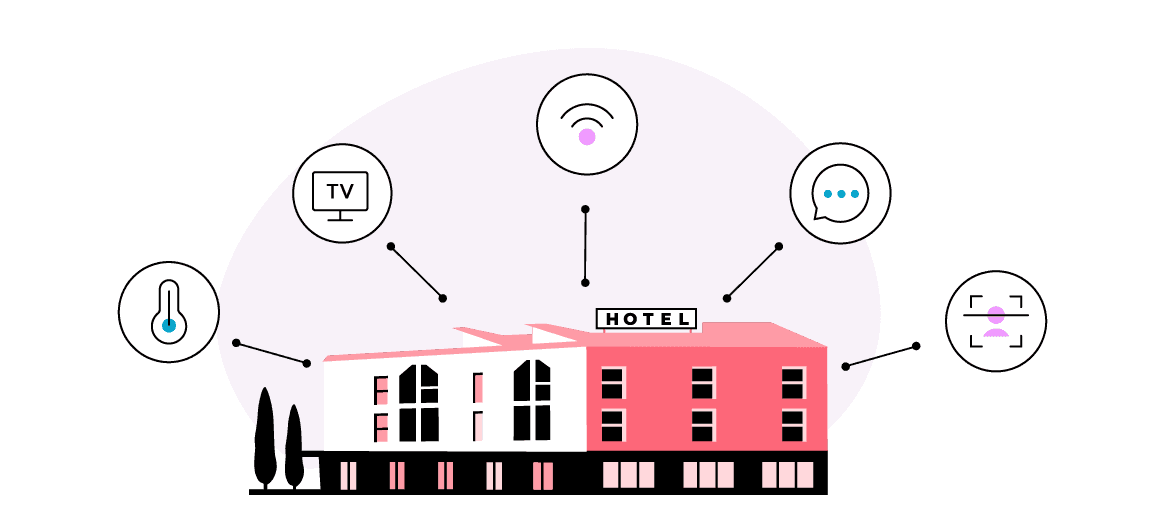
Hotel automation is the set of processes and technologies that execute repetitive hotel tasks — guest data capture, check-in, communications, satisfaction surveys, email campaigns — without direct human intervention. Hotel management software, artificial intelligence and machine learning replace time-consuming manual workflows with automated flows that run independently, with greater accuracy and at scale.
In 2026, automation is no longer a future-facing technological ambition: it is the operational difference between hotel groups that grow their direct booking channel and those that remain dependent on OTAs.
6 Key Benefits of Automating Hotel Processes
1. Reduced Operational Costs
The return on automation investment is rapid. Front desk staff currently spend 73% of their time on administrative tasks — data entry, document scanning, payment processing. Automating that workflow frees up to 4,000 hours per property per year that can be redirected to direct guest interaction or front desk efficiency.
2. Full Ownership of Guest Data
Every automated interaction generates a data point owned by the hotel. Unlike OTA bookings, where the guest relationship belongs to Booking.com or Expedia, automation connected to the WiFi captive portal and PMS builds a database that is 100% owned by the property, verified in real time and fully GDPR-compliant. That database is the most valuable asset for reducing intermediary dependency.
3. Elimination of Human Error
Manual transcription of passports and identity documents produces errors in 20–45% of records. Those errors create databases with inaccurate information that fails compliance audits. Automated guest registration — mandatory under Spanish traveller registration regulations and increasingly required across European markets — guarantees traceability and precision without manual review.
4. Direct Improvement in Guest Satisfaction
Hotels with over 60% digital check-in adoption report NPS scores 15–20 points higher than properties running manual processes. Review scores improve by an average of 0.3–0.5 points, with a direct impact on booking conversion. Additionally, guests who wait more than 10 minutes at reception spend 23% less during their stay.
5. Sustainability and Energy Efficiency
Automating hotel processes reduces physical material printing, optimises energy management and enables more precise consumption monitoring. It is a tangible sustainability lever — not just a narrative.
6. Direct Channel Growth and Scalable Loyalty
Automation is not only an operational improvement: it is the foundation of a direct booking strategy. By capturing first-party guest data through WiFi, digital check-in and in-stay surveys, the hotel can activate automatic loyalty campaigns for repeat guests without depending on Booking.com or paying commission.
Which Hotel Processes Can Be Automated?
Reception and Check-In
Digital check-in reduces the process from over 5 minutes to under 90 seconds. The system sends the check-in link to the guest before arrival, manages documentation, processes payment and delivers a room-ready notification automatically.
Guest Data Capture and Management
The WiFi captive portal captures data at the moment of connection — not just the lead guest on the booking, but every accompanying traveller. That data syncs automatically to the PMS, CRM and booking engine, building complete guest profiles with no manual work required.
Guest Communications
Before arrival, during the stay and after check-out, communications via email, WhatsApp and SMS are triggered automatically based on the guest’s profile, their stage in the journey and their previous behaviour. No generic templates: personalised communication at scale.
Satisfaction Surveys
In-stay surveys allow hotels to detect problems before a guest posts a review on TripAdvisor or Google. An automated system that alerts the front desk team when a guest scores below a defined threshold can reduce negative reviews by 20–40%.
Revenue Management and Pricing
Automated pricing based on occupancy, seasonality and real-time demand is now standard in mid-size and large hotel groups. It prevents leaving rooms vacant due to miscalibrated rates and losing margin during high-demand periods.
WiFi Network Management
Automated network monitoring detects incidents before guests experience them, generates real-time alerts for the IT team and logs historical performance data. A failing WiFi connection is one of the most common triggers for a negative online review in 2026.
GuestMaker: Hotel Automation With Agentic AI at Its Core
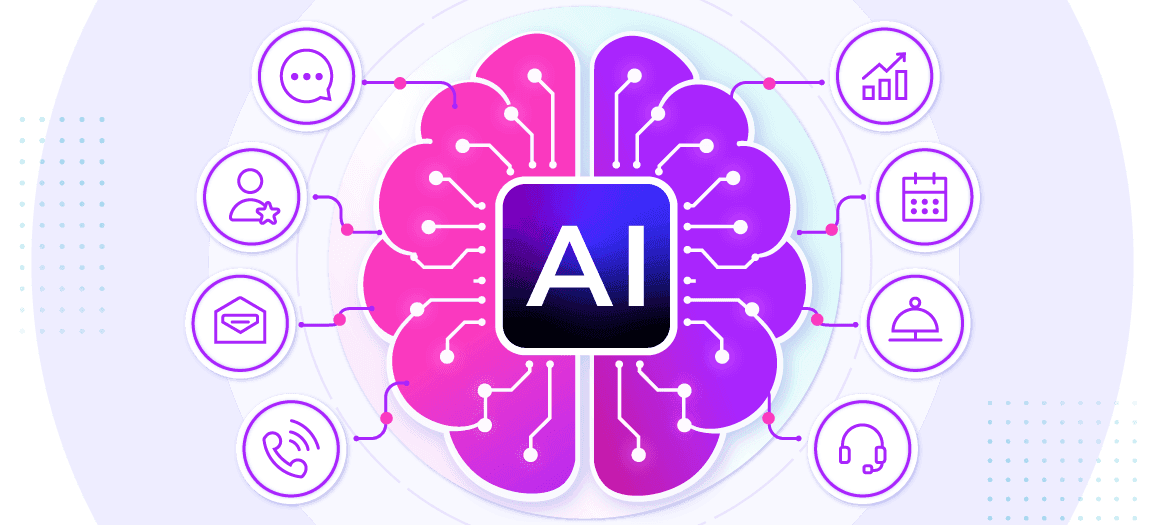
In 2026, hotel automation has taken a significant step forward with the integration of agentic AI into the heart of the hotel CRM. GuestMaker, Hotelinking’s Guest Engagement Engine, unifies all guest data sources — PMS, WiFi portal, booking engine, Channel Manager, Data Lake — into a single system, and connects them with every communication channel: email, WhatsApp, Meta Socials, AI Call Centre, CDP and Loyalty modules.
The result is not a CRM that stores data. It is a system that activates it.
Every interaction via email, WhatsApp or WiFi is integrated into a single, continuously enriched guest profile. GuestMaker ensures that data is reliable and high quality, captured and verified in real time — not imported from OTAs with incomplete or outdated information.
Native integration with the PMS, booking engines and core hotel systems enriches every profile with essential data from the reservation, the stay and the guest’s behavioural history. The result is a centralised, robust guest database that powers both advanced automations and real-time conversations across all channels.
This combination enables hotel groups to:
- Transform data into high-impact actions automatically
- Activate personalised marketing campaigns with intelligent automation
- Implement loyalty strategies without manual intervention
- Increase direct bookings from repeat guests on a sustained basis
- Eliminate data silos between departments and systems
- Guarantee GDPR-compliant data management from the very first interaction
How Zafiro Hotels automated guest data capture and direct sales? Using Hotelinking’s WiFi Captive Portal, Zafiro Hotels — a 4- and 5-star chain with over 2,900 rooms — achieved more than 1,000 direct bookings from repeat guests, over €2 million in direct channel revenue and more than €400,000 saved in OTA commissions, all within a short implementation period. The system captures each guest’s data at the moment of WiFi connection, syncs it automatically to the PMS and CRM, and triggers loyalty campaigns without any manual work from the front desk team.
See how GuestMaker works for your hotel group →
How to Start Automating Your Hotel: Concrete Steps
Automation does not need to be implemented all at once, nor does it require replacing every system simultaneously. The approach that works best for mid-size and large hotel groups is sequential:
Step 1 — Audit where you lose the most time and data. Manual check-in, guest data capture and post-stay communications are the three points with the highest immediate impact in most hotels.
Step 2 — Connect the WiFi portal to the PMS. This is the first step in any first-party data strategy. Without that integration, guest data remains siloed and cannot be activated for marketing or loyalty.
Step 3 — Activate digital check-in. This does not replace reception: it complements it. The goal is for guests to arrive with the administrative process already complete.
Step 4 — Automate communications by stay stage. Pre-arrival, welcome, mid-stay and post-stay — each with a distinct message, triggered automatically based on the guest’s profile.
Step 5 — Measure and optimise. Email open rates, mid-stay NPS, repeat guest percentage and direct booking ratio are the four indicators that tell you whether automation is working.